Sponsored article
How Does a Cassock Perform in Tropical Climates and During Missionary Ministry?
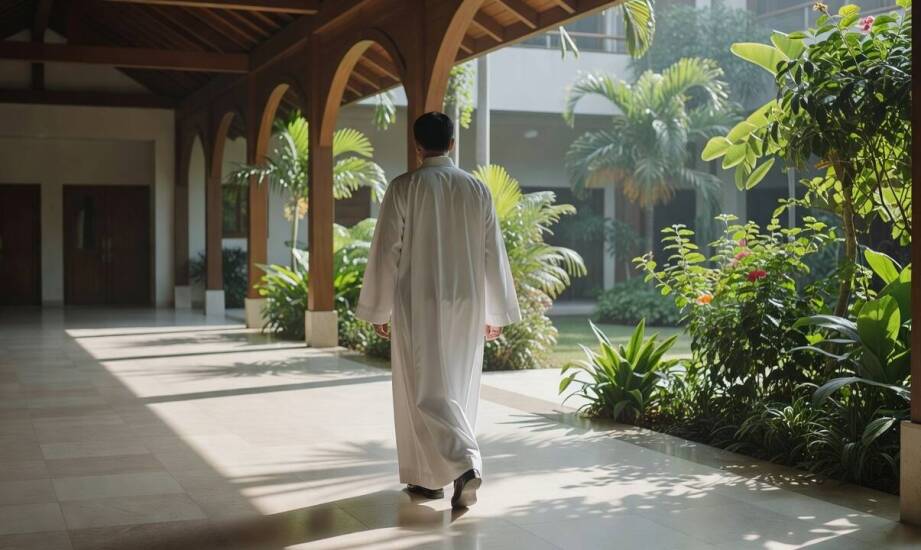
In hot and humid tropical climates, daily pastoral ministry presents very different challenges than those encountered in the temperate regions of Europe. Missionaries working in such environments need clothing that supports long hours of service in constant heat. Garments worn close to the body require an appropriate structure to ensure airflow and freedom of movement during extended ceremonies. Traditional heavyweight fabrics that perform well in cooler climates can quickly become uncomfortable in high temperatures and humidity. As a result, clergy often seek proven tailoring solutions that help reduce this burden.
The Impact of Heat and Humidity on Fabric Durability
Daily exposure to sunlight and constant contact with perspiration can accelerate the wear of fabric fibers. Frequent washing under demanding missionary conditions may gradually stretch the material. In addition, intense UV exposure can weaken fibers and reduce color intensity over time. Continuous fluctuations in humidity can affect the stability of traditional seams, eventually causing a garment to lose its original shape. Choosing the right fabric weight and a durable weave helps slow these processes.
Breathability plays a key role in ensuring comfort during long hours of pastoral work. Fabrics with a more open structure allow air circulation and help dissipate excess heat. Natural fibers absorb moisture effectively, although they can be more prone to wrinkling. Modern poly-viscose blends can simplify garment care, significantly reducing the need for ironing after washing. A carefully selected fabric helps prevent overheating and improves moisture management throughout the day.
The Practical Benefits of Light-Colored Clerical Garments
Traditional black clerical clothing absorbs a significant amount of heat from the surrounding environment. In regions with intense sunlight, this can make everyday activities outdoors considerably more demanding. Lighter fabrics reflect a greater portion of solar radiation and therefore heat up more slowly. In many tropical countries, white clerical garments are worn in accordance with local practice and diocesan regulations approved by ecclesiastical authorities.
A light-colored Catholic cassock can be a practical choice for challenging climatic conditions. Such a solution may improve thermal comfort during prolonged exposure to sunlight. In addition, lighter colors make it easier to visually assess cleanliness, which is especially beneficial in regions with high humidity levels.
Choosing the Right Layers for Missionary Travel
Proper selection of undergarments and base layers has a significant impact on temperature regulation beneath the main garment. Lightweight undershirts made from moisture-absorbing fibers are commonly worn underneath. Thicker layers are usually avoided in order to maintain full freedom of movement during long periods of standing and ministry. In particularly hot climates, some local communities permit simplified clothing solutions in accordance with guidelines established by local church authorities. Insufficient ventilation between clothing layers can directly contribute to fatigue, making lightweight garments especially valuable in churches and chapels without air conditioning.
Missionary life may involve frequent travel and relocation. Lightweight fabrics take up less space in luggage and recover their shape more quickly after being removed from a backpack or suitcase. Flexible fibers help reduce the risk of permanent creasing during long journeys. This allows clergy to prepare for services soon after arrival, even following demanding travel conditions.
Tailoring Details That Improve Everyday Functionality
Well-designed seam placement allows traditional clerical garments to be adapted to the requirements of a specific geographical environment. The classic Roman cut remains highly suitable for regular parish ministry. However, looser styles without heavy linings or rigid structural elements often perform better in humid equatorial climates. Some tailoring solutions incorporate discreet fastenings that make changing garments easier during liturgical preparation. Handcrafted tailoring can also include deeper pockets, increasing practicality in daily use.
Creating clothing for clergy requires a thorough understanding of different fabrics, fiber characteristics, and garment construction. At Ars Sacra, clerical garments are produced with attention to craftsmanship and individual requirements. Custom-made solutions allow customers to adjust garment length, cuff width, and selected finishing details. This level of personalization helps create practical attire suited to a variety of pastoral needs and environments.
When Does Climate Determine the Choice of Clerical Clothing?
The decision to commission a particular garment for missionary ministry should be based primarily on an accurate assessment of local weather conditions. In regions where extreme heat and high humidity persist throughout most of the year, breathability becomes more important than complex multi-layered clothing systems. In other situations, liturgical requirements established by the local diocese and the nature of ministerial duties remain the deciding factors.
Properly identifying these needs directly affects the comfort of clergy and helps support their well-being during outdoor activities. Durable fabrics combined with precise tailoring contribute to long-term usability and reliable everyday wear, even under demanding conditions.
In tropical climates, a cassock must withstand extended ministry despite heat, humidity, and frequent washing.
The garment’s durability depends on fabric weight, weave strength, and seam resistance to stretching.
Breathable, lightweight, quick-drying materials with reduced wrinkling tendencies generally perform best.
Light-colored and white variants help reduce heat absorption and simplify hygiene maintenance in strong sunlight.
Properly selected layers under the cassock help limit overheating while maintaining a neat appearance.
Missionary work also requires garments that are easy to pack, transport, and resistant to travel-related creasing.
Both climatic conditions and local liturgical requirements should guide the choice of garment.
FAQ
What fabrics work best for a cassock worn in tropical climates?
Lightweight, breathable, and quick-drying fabrics tend to perform best because they help manage moisture and improve comfort in hot conditions. Resistance to frequent washing, seam durability, and reduced wrinkling are also important factors for long-term use.
Why can a light-colored cassock be better than a dark one in hot climates?
Light-colored cassocks reflect more sunlight and absorb less heat than darker garments. This can improve comfort during outdoor ministry and help reduce the risk of overheating. Lighter colors may also make it easier to maintain a clean appearance in humid environments.
What should be considered when packing a cassock for missionary travel?
The most important factors are low weight, wrinkle resistance, and the ability to regain shape quickly after transport. Fabrics that require less ironing and tolerate changing travel conditions are particularly practical. A well-designed cut also helps maintain a professional appearance after long journeys.
You might be interested

What are the most important factors influencing the choice of an industrial coffee roaster?

What distinguishes high-quality vitamin K2 MK7 from manufacturers?
How can entrance mats for buildings support the sustainability of companies?